Bhāde kī Bārāt: An Evening When Relatives Were Fake and Masti Real
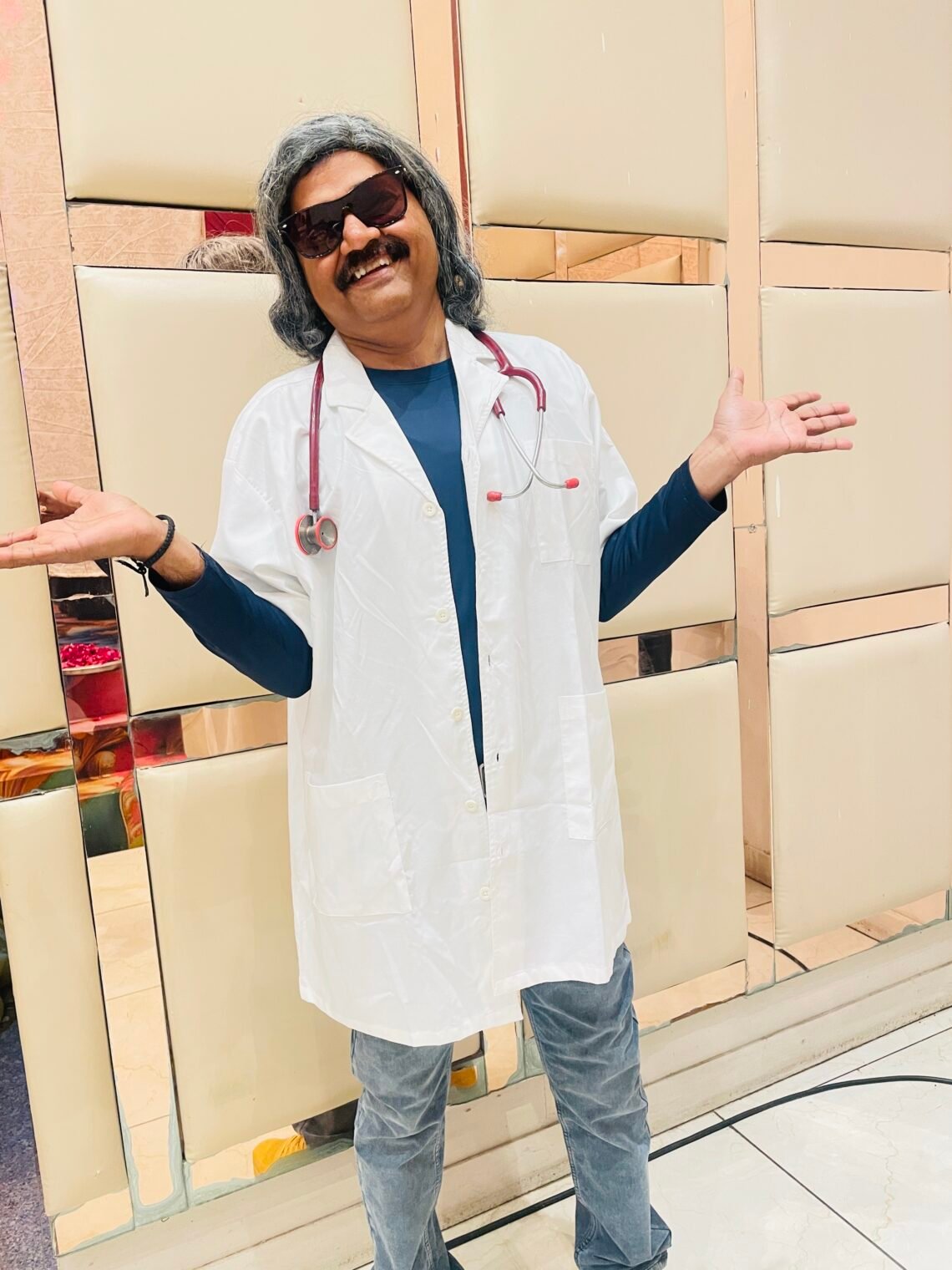
I peeked through the narrow slit behind the stage curtains, my heart doing a small, unnecessary sprint. I was in the middle of becoming someone else. The artificial hairpiece sat firmly over my almost-bald head, restoring not just hair but an entire personality. I adjusted it carefully, then checked my smile in the mirror—wide enough to conceal the leg pain that had decided to accompany me on stage. My left knee was braced, not out of medical necessity alone, but out of theatrical prudence; any limp during the dance sequence would be entirely off-script.
Months ago, when I had drafted the first version, the writer’s instinct in me had conceptualized it as more of a laughter delight play rather than a dance drama but credits to the intense brainstorming sessions of Sunita Bhabhiji, Shikha and the rest with their bent towards dance and inclusivity, it has bloomed into a lovely dance skit.
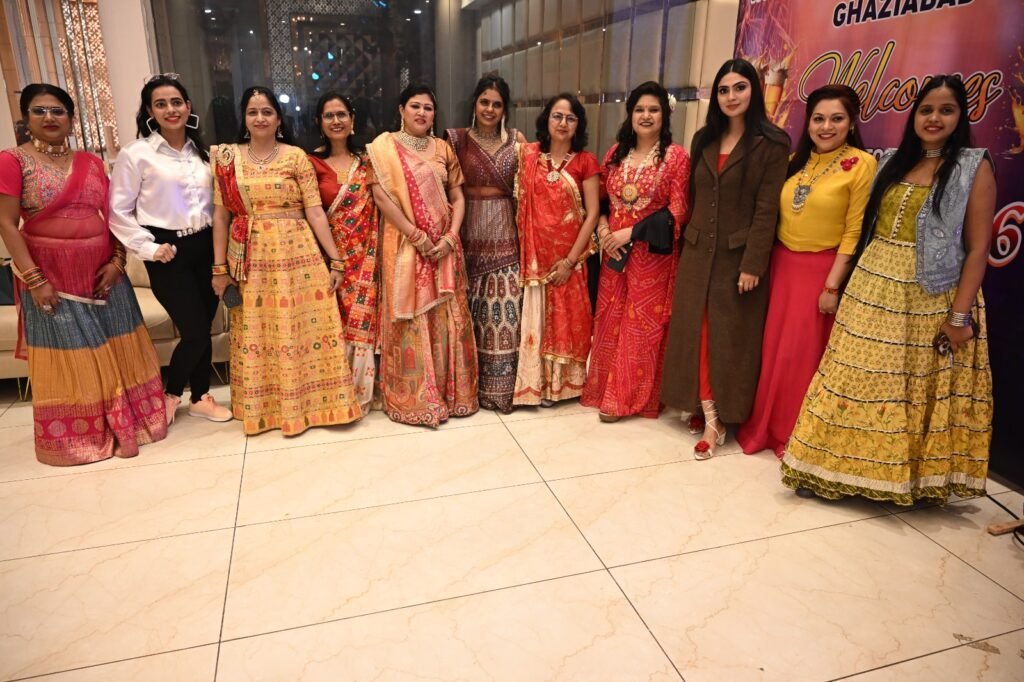
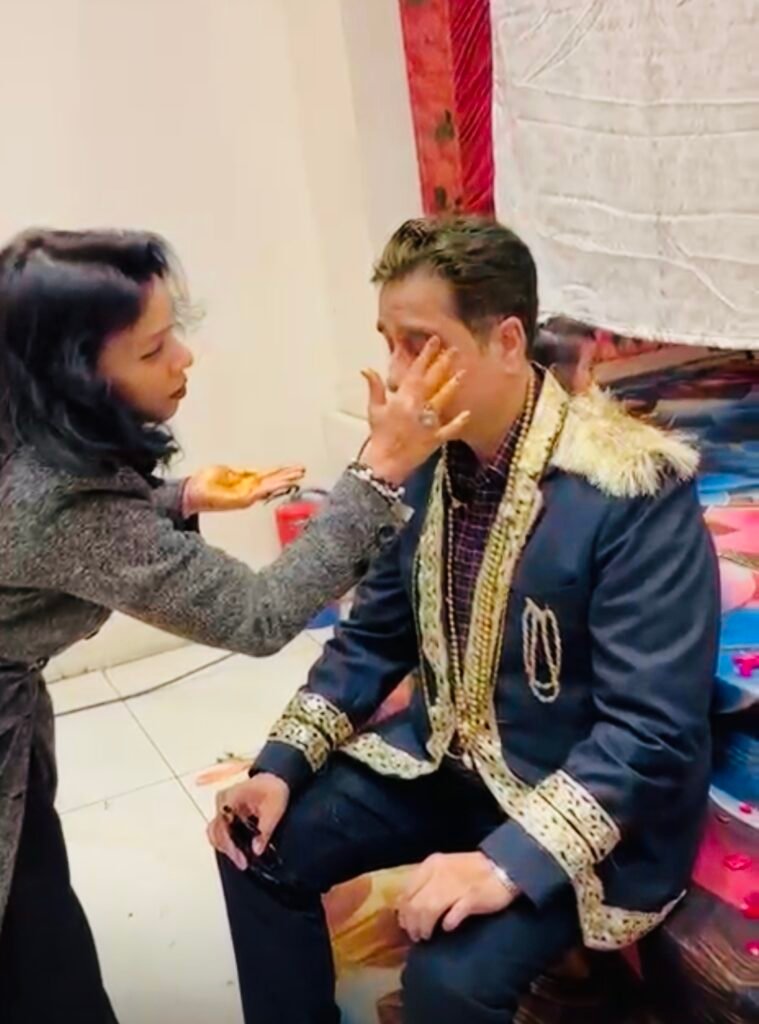
Around me, the backstage hummed with that peculiar chaos that exists only minutes before a performance. Everyone seemed suddenly more radiant, more alive—doctors transformed into seasoned performers, colleagues into characters. There were last-minute negotiations with reality and costume alike. Mogambo was still debating the exact shade of villainous hair colour. Nana Patekar, a surprise wild-card entry, stood unusually calm, exuding the quiet confidence of a man who had clearly memorised his dialogues—and perhaps the audience’s pulse as well.
The bride and groom looked far more cheerful than they probably had at their actual wedding, buoyed by the comfort of fictional relatives and the absence of real-world expectations. Shakal, caressing his prop with remarkable tenderness, appeared deeply invested in perfecting his newly adopted constipated demeanour—an artistic choice, no doubt. Hansa and Praful were locked in silent competition with much younger performers, effortlessly raising the cuteness quotient without even trying. And then there were Bua Sharma and Lakhan—the most seasoned of all—looking charming, composed, and only slightly weighed down by the invisible burden of managing both characters and chaos. I peeked again and as my glance traveled down the aisle it was met this time by two uniformed personnel, Chandramukhi Chautala and her Deputy, sitting calmly, inspiring with their sheer confidence.
At that moment, standing amid wigs, dialogues, knee braces, and exaggerated accents, it struck me how beautifully absurd the scene was. Here we were—trained to read ECGs, interpret lab values, and make life-altering decisions—now arguing over punchlines, hairpieces, and comic timing. Medicine had politely stepped aside; laughter had taken charge.
When the cue finally came, and I stepped onto the stage as Dr. Gulati along with Bhabhiji- my better half, the transformation was complete. The applause washed away the nervousness, the pain, even the awareness of self. What followed was an evening of borrowed families, twisted film characters, unapologetic exaggeration, and laughter that felt almost therapeutic.
What made the evening truly special, however, was not just the punchlines or the perfectly mistimed dance moves, but the spirit behind them. Hierarchies dissolved, inhibitions loosened, and for a brief while, we were not consultants, surgeons, or specialists—we were simply colleagues sharing a joke, a stage, and a collective willingness to look slightly ridiculous.
If laughter is indeed the best medicine, then last evening we didn’t just prescribe it—we administered it generously, with no concern for dosage or side effects.
“Bhāde kī Bārāt” was never just a skit. It was a reminder—delivered with dance steps and punchlines—that beneath our professional seriousness lies a shared joy in playacting, parody, and not taking ourselves too seriously. The relatives may have been fake, but the camaraderie was real, the laughter infectious, and the memories—entirely genuine.
Some evenings don’t demand clinical precision or diagnostic clarity.
They only ask that you show up, let go, and laugh loudly.
Last night, we did exactly that.
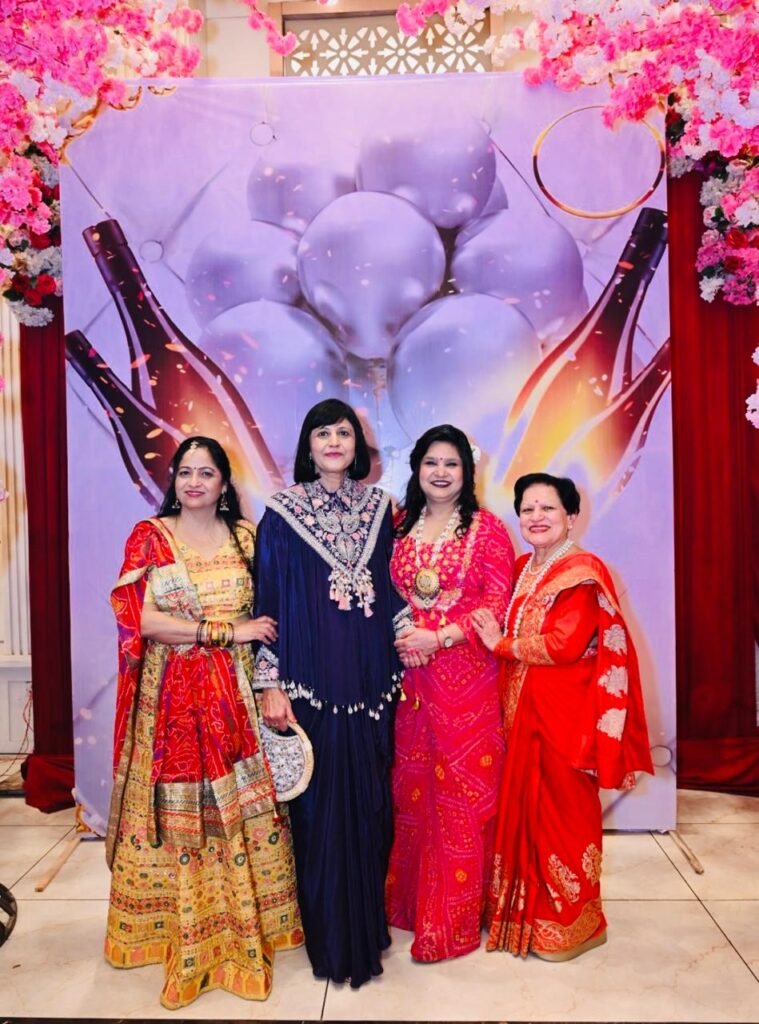
The show itself lasted just about fifty-odd minutes, but its making demanded weeks—sometimes months—of preparation. It meant skipping OPDs, shuttling tirelessly between wards and dance studios, and perhaps the most challenging task of all: convincing participants to commit. It required not just patience, but a generous dose of forgiveness—to curb egos, accept excuses, and wait things out. And, our most respected, loving and relentlessly devoted seniors, Dr Seema Varshney ma’am and Sundeep sir, pulled it off beautifully. But, who were the most inspiring of them all? No marks for guessing our beloved Dadaji and Dadiji, dancing graciously in their eighties.
None of it, quite simply, would have been possible without Shikha and Shashank—our choreographers and the quiet forces behind the scenes. Shikha’s talent is matched only by her patience, and her ability to translate chaos into choreography is nothing short of remarkable. We are truly blessed to have her continuing support; she didn’t just direct the show, she held it together—step by step, cue by cue, with unwavering grace.
Hats off to the organisers, the meticulous leader Dr Alpana Ma’am and her dedicated team, for pulling it off so seamlessly.
What the audience witnessed was laughter.
What they didn’t see was teamwork at its finest.


2 Comments
Dr Sarla Mehta
Wonderfull..👍
Hari Bhardwaj
Another gem of prose by a great writer. Concluded with brilliant writing and great story.